Olfah: A Friendly Arabic Display Font for Handmade Brands
As someone who designs printable wedding suites, cuts vinyl labels for small-batch candles, and creates seasonal SVG bundles for Etsy sellers, I know how much a single font can shape the warmth—and professionalism—of a handmade product. That’s why Olfah has quickly become one of my go-to display fonts for Arabic-language projects that need charm, clarity, and quiet confidence.
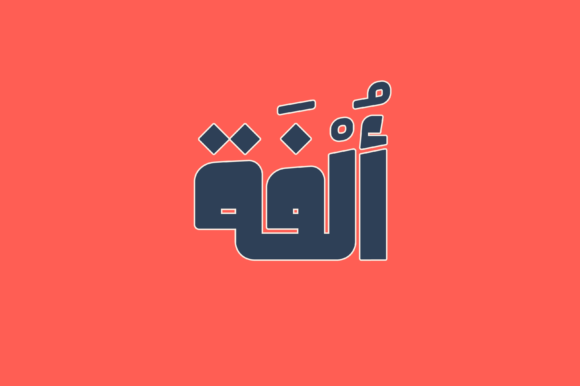
Olfah is an Arabic display font with a relaxed, approachable personality. Its casual style isn’t sloppy—it’s intentional: soft curves, open counters, and gentle stroke contrast give it breathing room on both screen and paper. Unlike rigid traditional calligraphic fonts or ultra-minimalist digital typefaces, Olfah feels human. It invites the eye without shouting, and carries cultural authenticity while staying fresh and modern. For crafters who serve Arabic-speaking customers—or want to expand into bilingual markets—Olfah delivers visual appeal *and* linguistic respect.
I’ve used Olfah across dozens of physical and digital products: olive oil bottle tags for a family-run grocer in Amman, welcome signs for Ramadan pop-ups in Dubai, Eid greeting cards printed on textured cotton paper, and even laser-cut acrylic wedding menu boards in Doha. Its friendly look works especially well when you’re balancing tradition with contemporary design—think minimalist gold-foiled invitations where Olfah sets the couple’s names, or hand-painted ceramic mugs where the font wraps cleanly around the curve.
Readability matters—especially at small sizes. Olfah shines on product labels (30–48 pt), sticker sheets (24–36 pt), and die-cut tags (as low as 18 pt, depending on material). I’ve tested it on Cricut Explore Air 2 and Silhouette Cameo 4 with no issues—its clean outlines cut crisply, and its spacing holds up even when scaled down for 1" x 2" tea bag tags or mini spice jar labels. For larger formats—like 24"x36" printable wall art or chalkboard-style café menus—Olfah’s generous x-height and consistent rhythm keep lines flowing smoothly without crowding.
It’s not built for long paragraphs. Olfah is a display font, so lean into its strengths: headlines, names, short quotes, brand slogans, and decorative phrases. Use it for “Bismillah,” “Eid Mubarak,” “Made with Love,” or shop names like “Nour Bakery” or “Zaytouna Goods.” Avoid body text—but pair it beautifully with a clean sans serif (like Montserrat or Poppins) for supporting details, or a delicate script font for flourishes on invitation envelopes or gift wrap stickers.
Font pairing is where Olfah really sings. Try it with a subtle Arabic sans serif for bilingual packaging—Olfah for the Arabic headline, a crisp Latin sans for English translation below. Or combine it with a warm handwritten font for personal notes inside greeting cards (“With love from Layla”) while keeping Olfah for the main greeting. For wedding stationery, I often layer Olfah with a refined serif like Playfair Display for English headings—creating harmony between scripts without visual competition.
Olfah includes standard Arabic glyphs plus common diacritics and ligatures needed for everyday use—no missing hamzas or awkward kerning surprises mid-sentence. It supports basic Latin characters too, making it practical for hybrid branding (e.g., “Saffron & Sumac” with Arabic subtitle). Files come in OTF and TTF formats—fully compatible with Canva, Adobe Illustrator, Cricut Design Space, Silhouette Studio, and Affinity Designer. No webfont licensing headaches if you’re selling digital templates; just make sure your commercial license covers resale of editable files (it does—Olfah is cleared for use in physical goods, printables, SVGs, and client work).
Here’s where Olfah changes the game for small makers: consistency. When your candle label, Instagram story graphic, and market banner all share the same expressive yet legible Arabic voice, customers start recognizing your brand before they read your shop name. That emotional resonance—warm, sincere, unhurried—translates directly to perceived quality. A customer choosing between two handmade soap bars is more likely to pick the one whose label feels *intentional*, not generic. Olfah helps you communicate care, not just content.
I’ve seen it elevate seasonal collections: pastel Olfah lettering on spring Eid banners, bold weight variations for back-to-school planner covers, or subtle embossed versions on luxury gift boxes. It adapts without losing identity. And because it’s designed for both print and screen, your mockups look trustworthy—no pixelation on Etsy thumbnails, no awkward line breaks in PDF instructions.
For printable creators, Olfah adds quiet sophistication to planner pages, habit trackers, and prayer journals—especially when paired with soft watercolor backgrounds or linen-textured overlays. Its casual elegance avoids looking clinical or corporate, which keeps digital downloads feeling personal and handmade. And for SVG designers? The clean vector paths mean smooth scaling, sharp corners on layered cuts, and reliable alignment—even when nesting Olfah text inside ornamental frames or floral wreaths.
If you sell physical products, remember this: your font choice is part of your product’s tactile experience. Olfah’s rounded terminals and gentle flow soften harsh edges—making it ideal for baby milestone blankets, kids’ Arabic learning posters, or boutique tea tins meant to feel comforting in hand. It doesn’t scream. It smiles. And in a crowded handmade marketplace, that kind of quiet distinction builds loyalty.
Olfah isn’t just another Arabic font. It’s a tool that helps you say what matters—in beautiful, readable, commercially ready ways. Whether you're designing for your own shop or creating assets for other small businesses, it bridges aesthetic intention with real-world production needs. That balance—between heart and hustle—is exactly what handmade brands rely on.
So next time you’re sketching a new label layout, drafting a bilingual wedding suite, or building a seasonal SVG bundle, give Olfah space to breathe. Let its friendly presence do some of the talking—so you can focus on what you do best: making things that matter.